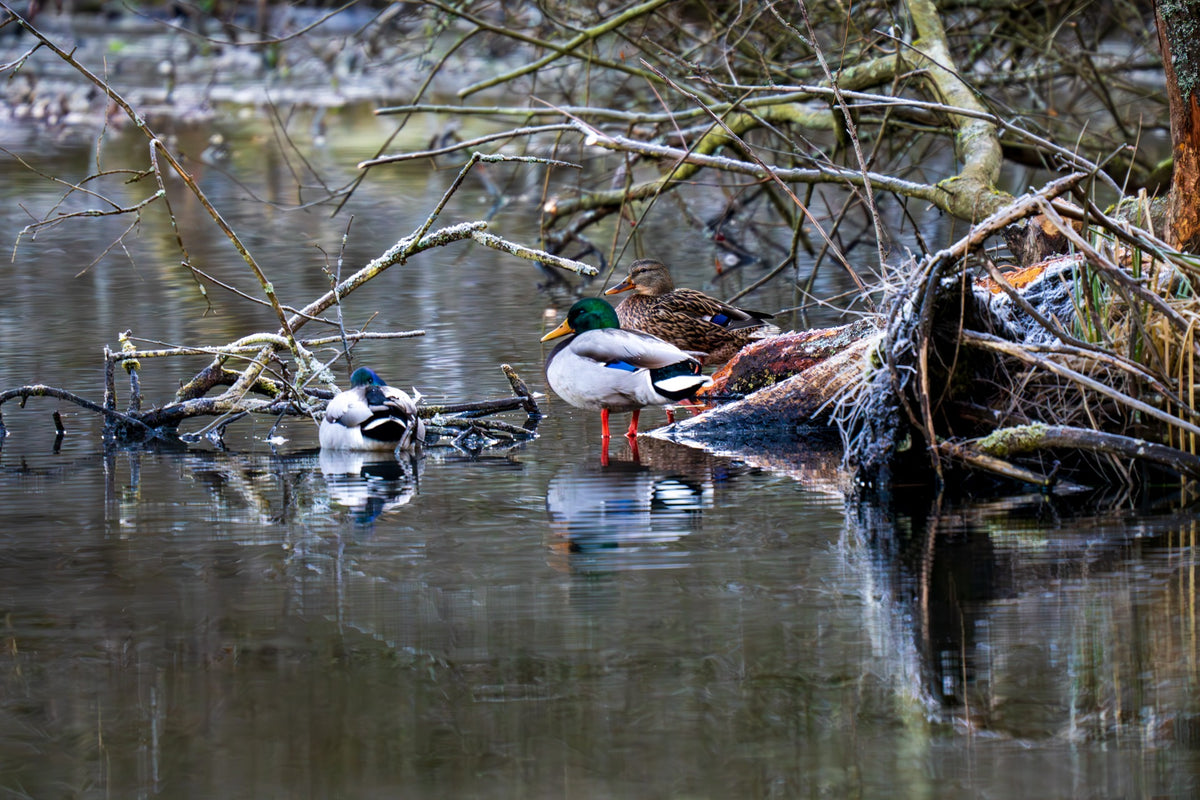
Joseph Hubbard’s documentary photography follows wildlife, plants and changing habitats through repeated visits in Hesse, Germany. These long-term field projects connect photographs with the places and living subjects behind them.
Natura 2000 — Field Observation
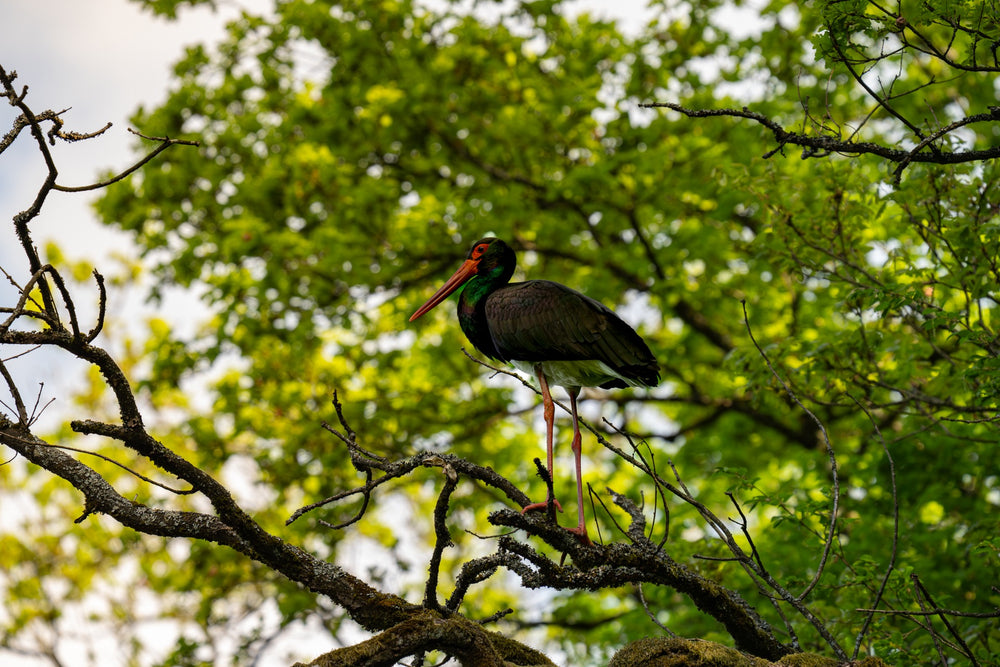
Local Natura 2000 habitats near Bad Soden-Salmünster · 2014–ongoing
These visits follow the subtle changes of protected landscapes through the year: the return of birds, movement of mammals, changes in plants and vegetation, animal tracks, wetland conditions and the connections between habitat and species. This work began as personal observation and photography in 2014 and developed into a more structured professional documentary focus in 2025.
The goal is not to dramatize a location, but to build a patient visual record of the living environment as it changes. The study includes local Natura 2000 designations identified as FFH area 5722-304 and bird protection area 5722-401.
Hirschbornteiche — Beaver Project
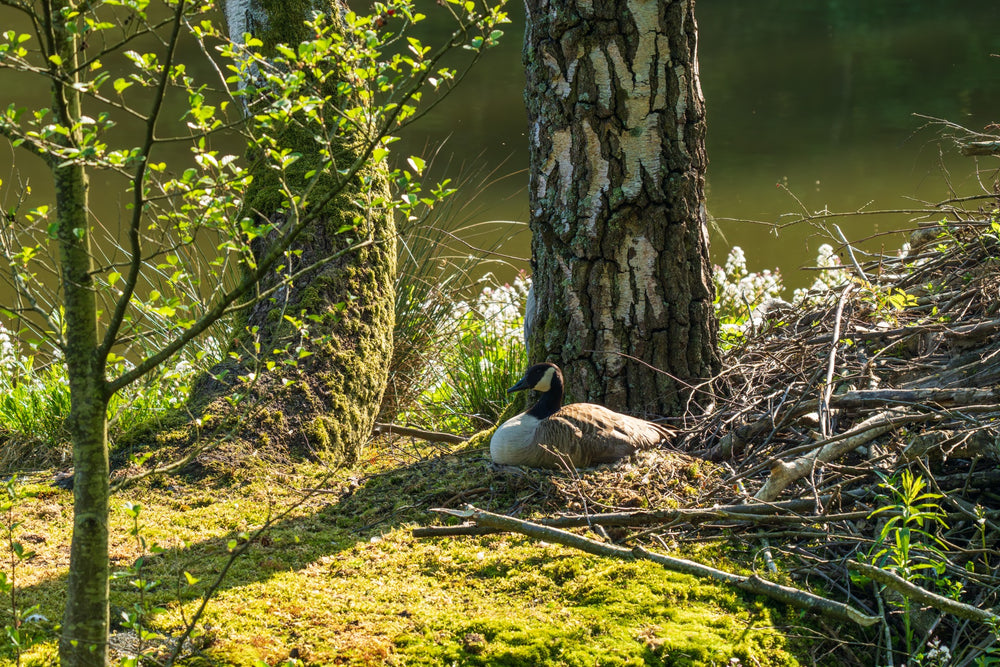
Hirschbornteiche, near Bad Soden-Salmünster · 2015–ongoing
Beavers reshape the waterways around the Hirschbornteiche ponds, slowing water and creating new habitat in a landscape also used by people for walking, recreation and daily life. This documentary study follows the relationship between beaver activity, the changing wetlands, other wildlife and the people who share the area.
First observed as a personal project from 2015, with a more formal documentary focus from 2025 onward. At its heart is a simple question: how can people and wildlife continue to share the same landscape?
Read Joseph Hubbard’s In the Field stories and observation notes
River Systems — Life Along the Kinzig
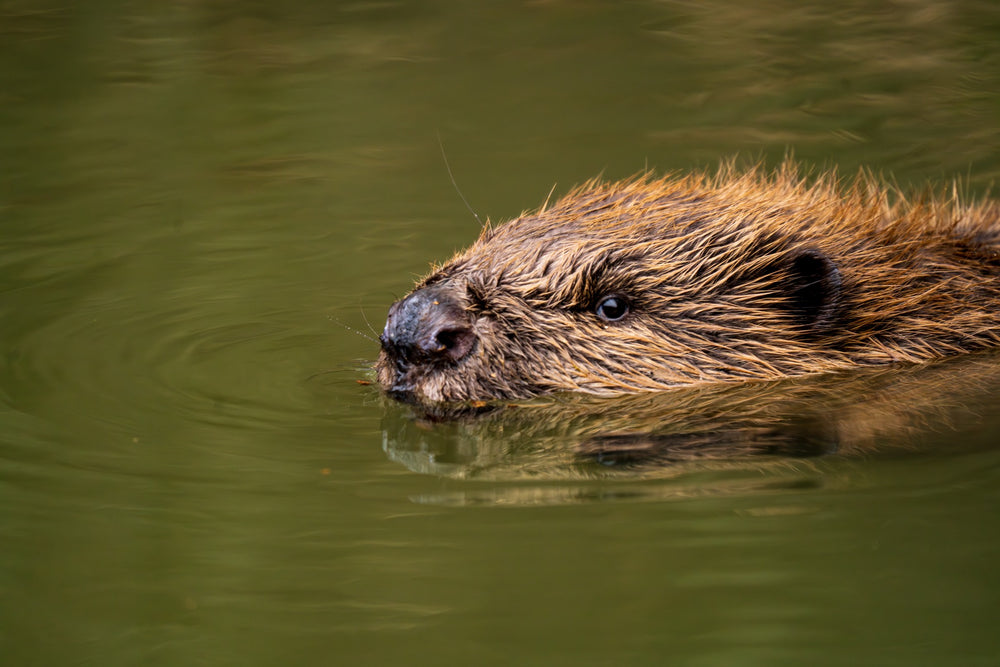
Kinzig river basin, Hesse · 2025–ongoing
This long-form project follows the Kinzig from its source toward its meeting with the Main, documenting riverbanks, wetlands, birds, mammals and seasonal changes in the watershed. Water shapes where wildlife lives and how habitats connect; the work follows those relationships over time.
How I document the natural world
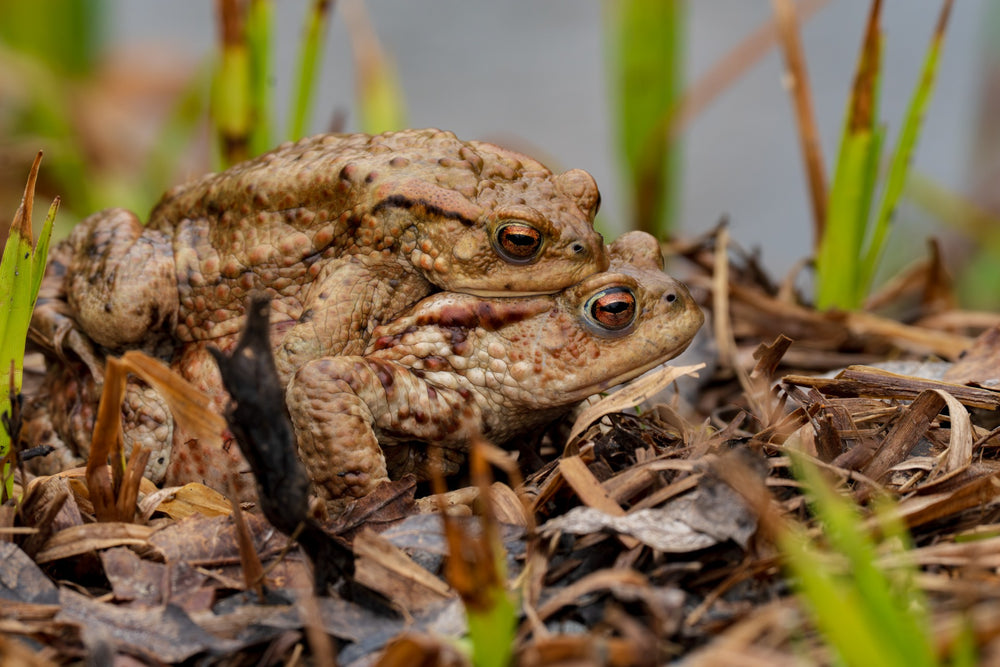
My approach relies on presence rather than intervention. I observe animal behavior, return to known locations, work with natural light and take care not to bait, call or disturb wildlife for an image. The quiet parts of a story deserve attention too.
Documentary image licensing and projects
Existing photographs may be licensed for editorial, educational and selected commercial use. I also consider documentary collaborations with conservation groups, publishers and organizations that need patient field-based imagery. Contact me with the subject, intended use, location and project timeline.