

1-Minute Lesson 12 ISO & Noise – Finding the Balance
May 02, 2026
Lesson 12 in Photography 101
ISO & Noise – Finding the Balance

4
ISO controls how sensitive your camera sensor is to light.
It’s the third part of the Exposure Triangle (along with aperture and shutter speed).
But here’s the trade-off:
👉 Higher ISO = more brightness
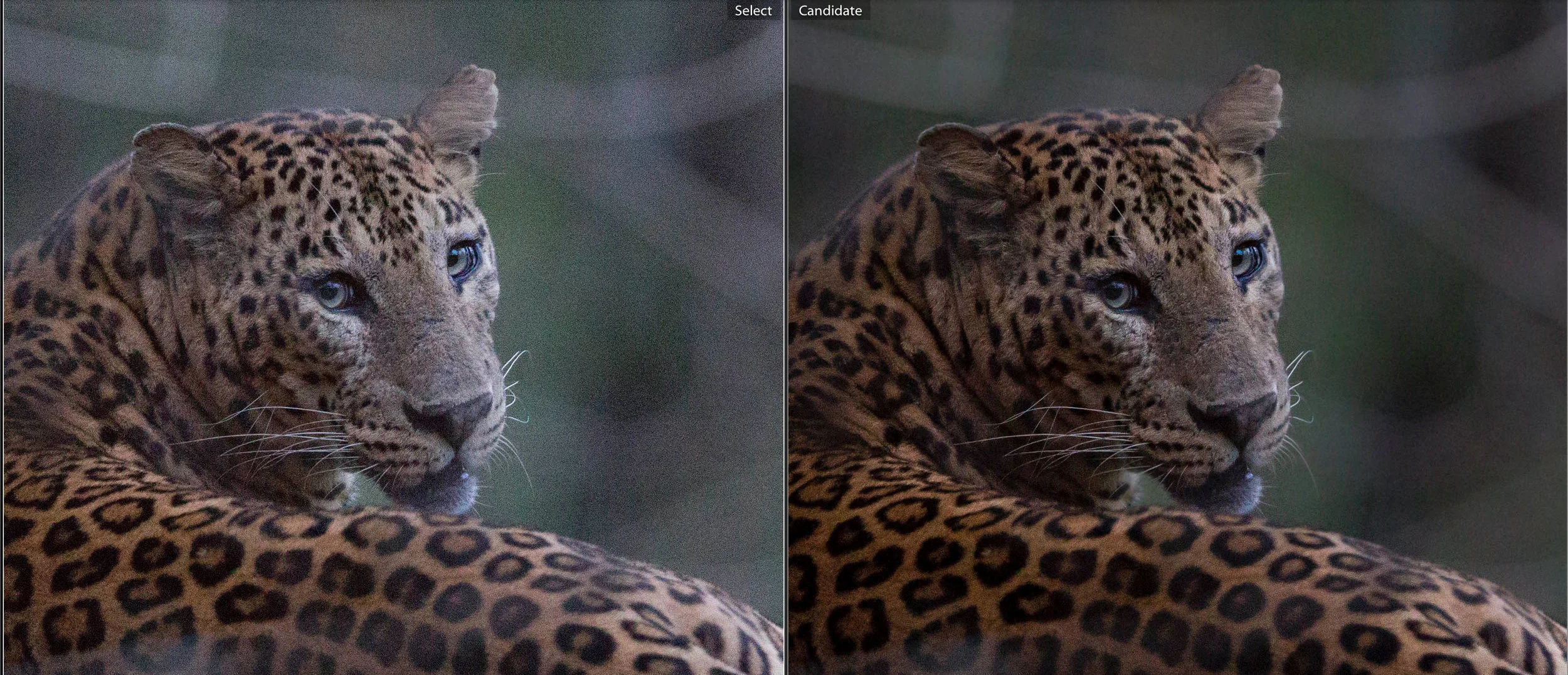
👉 Higher ISO = more noise (grain)
🔆 Low ISO (100–200)
Best for:
- Bright daylight
- Landscapes
- Studio lighting
- Maximum detail
Result:
- Clean image
- Sharp details
- Rich color
This is your “quality zone.”
🌙 Medium ISO (400–1600)
Best for:
- Cloudy days
- Indoor natural light
- Wildlife in shade
- Evening light
Result:
- Slight noise
- Still very usable
Modern cameras handle this range very well.
🌌 High ISO (3200+)
Best for:
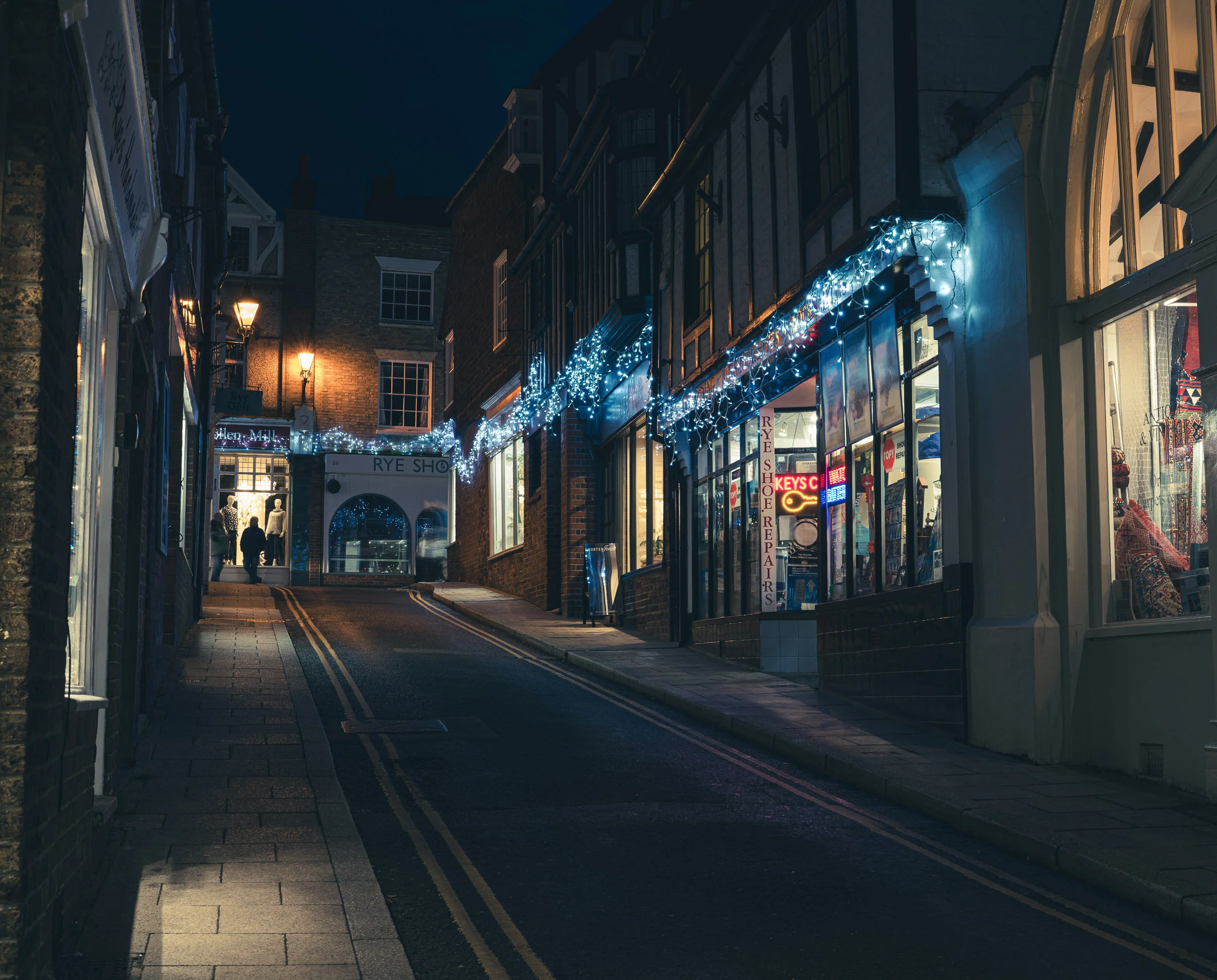
- Night photography
- Indoor sports
- Fast wildlife at dusk
- Low-light events
Result:
- Visible grain
- Loss of fine detail
- Slight color shift
But remember:
A noisy photo is better than a blurry one.
🎯 Important Rule
Use the lowest ISO possible
while keeping:
- Proper exposure
- Fast enough shutter speed
- Desired aperture
Don’t be afraid of ISO — just understand the trade-off.
🧠 Pro Tip
Noise shows more in:
- Dark areas (shadows)
- Underexposed images pushed brighter later
Expose properly in camera to reduce noise.
📌 Challenge:
Take the same scene at:
- ISO 100
- ISO 800
- ISO 3200
Zoom in and compare the detail.
Post your results in the group 👇
https://www.facebook.com/groups/1236820218316346

