

1-Minute Lesson 05 What ISO Really Does (and Why Noise Appears)
May 02, 2026
1-Minute Lesson 05
What ISO Really Does (and Why Noise Appears)
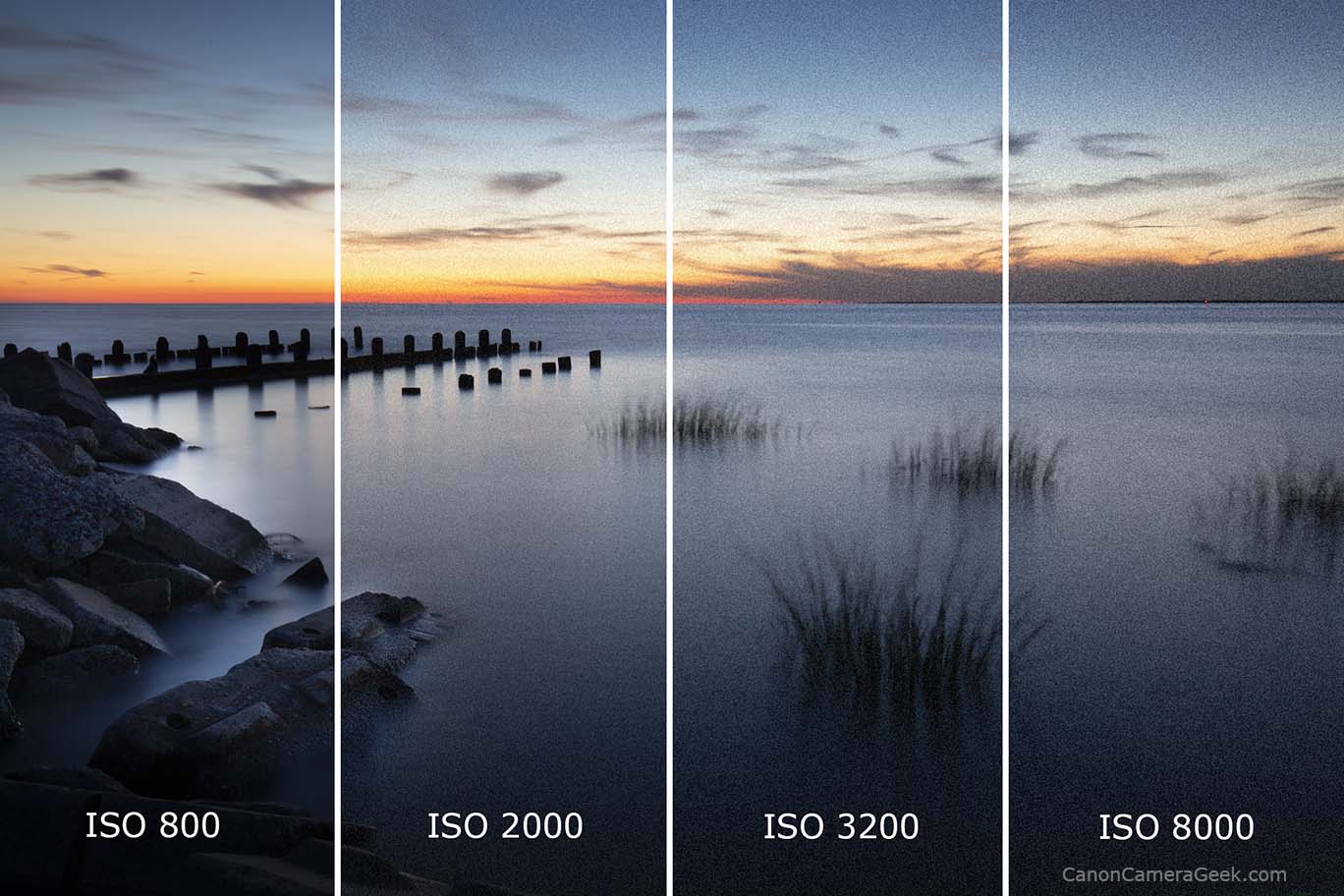


ISO does NOT add light.
It only changes how bright the camera makes the image.
That distinction matters.
1️⃣ What ISO actually is
ISO controls how sensitive the camera sensor is to light.
- Low ISO (ISO 100) → low sensitivity → clean image
- High ISO (ISO 3200+) → high sensitivity → brighter image, more noise
The light level didn’t change — the camera just amplified the signal.
2️⃣ Why noise appears
When you raise ISO, the camera boosts the signal and the imperfections.
That creates:
- grain
- color speckles
- loss of detail
Noise is the trade-off for shooting in low light.
3️⃣ The big beginner mistake
❌ Thinking ISO is “bad”
❌ Avoiding ISO at all costs
ISO exists to save the photo when:
- light is low
- shutter speed can’t go slower
- aperture can’t open wider
A noisy photo is better than a blurry one.
4️⃣ Beginner-friendly rule
- Use the lowest ISO you can
- But raise ISO before you accept motion blur
Sharp + noisy > blurry + clean.
🔍 Key takeaway
ISO controls brightness by amplification, not light itself.

